Fix your posture. For good.
Upper-back correctors, clavicle braces, and lumbar supports — clinician-designed to retrain muscle memory, reduce neck pain, and build posture habits that actually stick. Without the physio price tag.
 Sale
Sale
 Sale
Sale
 Sale
Sale
 Sale
Sale
 Sale
Sale
 Sale
Sale
 Sale
Sale
 Sale
Sale
 Sale
Sale
 Sale
Sale
 Sale
Sale
 Sale
Sale
 Sale
Sale
 Sale
Sale
 Sale
Sale
 Sale
Sale
 Sale
Sale

 Sale
Sale
 Sale
Sale
 Sale
Sale
 Sale
Sale
 Sale
Sale
Which corrector fits your situation?
Three questions that narrow it down in under a minute.
Where is the tension?
Rounded shoulders & upper back → clavicle brace. Lower back slouch → lumbar support belt. Forward head posture (chin jutting forward) → upper-back corrector with cervical support.
When will you wear it?
All-day at a desk → choose a discreet under-shirt corrector. During workouts → sport-grade adjustable harness. Passive / while relaxing → soft lumbar wrap or posture cushion.
How long have you had it?
Recent (weeks): a light corrector 20–30 min/day builds habit fast. Chronic (months or years): firmer corrector plus daily stretching. Existing injury: check with your PT first — we can help narrow it down after.
Match the corrector to the problem.
Not all posture issues are the same. Use this as a starting point — then read the product detail page to confirm fit and use-case before buying.
Posture questions, honest answers.
Do posture correctors actually work?
Yes — when used consistently alongside stretching and strengthening. A corrector repositions your shoulders and spine while you wear it, training your muscles to hold that position on their own. Most users notice reduced shoulder rounding within 2–4 weeks of daily use; chronic cases take 2–3 months.
How long should I wear a posture corrector each day?
Start with 20–30 minutes per day and build up to 1–2 hours over 2 weeks. Wearing it longer than that without breaks can weaken the muscles you're trying to train — the device is a training tool, not a permanent support. Think of it like a splint: you're rehabbing, not replacing.
Can a posture corrector help with neck pain and headaches?
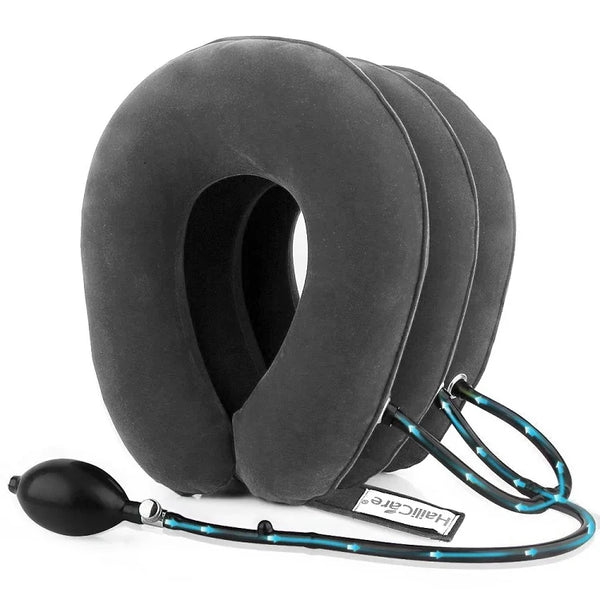
Often yes. Forward head posture adds up to 60 lbs of effective load on your cervical spine and is a leading cause of tension headaches and neck stiffness. An upper-back corrector that pulls the shoulders back naturally brings the head into a neutral position, significantly reducing that strain over time.
What is the difference between a posture corrector and a back brace?
A posture corrector actively retrains muscle habit — it is a training device. A back brace passively stabilises the lumbar spine, typically for injury support or heavy lifting. Some PULSE products serve both purposes. If you have a diagnosed spinal condition, check with your physician before choosing.
How does shipping and returns work?
Free U.S. shipping on every order, no minimum. Most orders ship within 1–2 business days. 30-day returns on every product, and we cover return shipping on defective items. No restocking fees.
20% off your first subscription.
Joint support, collagen, and anti-inflammatory supplements that work from the inside out — addressing the root cause behind chronic posture pain. Skip a month, cancel anytime.